
What Alcohol Does to Vanilla Flavor (The Science of Extracting Vanillin)
Share
What Alcohol Does to Vanilla Flavor (The Science of Extracting Vanillin)
Everyone knows vanilla extract is made with alcohol — but almost nobody can explain why alcohol is used, what it’s actually doing to the beans, or why 35–40% ABV is the sweet spot.
So here’s the real answer — the chemistry version, not the Pinterest version.
The 3 Things Alcohol Does That Make Extract Possible
1. It dissolves vanillin
Vanillin — the main flavor molecule in vanilla — is alcohol-soluble, not water-soluble.
Water alone can pull some flavor, but alcohol pulls all of it.
2. It extracts more than just vanillin
A real vanilla bean contains 250+ flavor compounds — phenolics, aldehydes, esters, lactones.
Alcohol doesn’t just dissolve them… it stabilizes them, so flavor doesn’t disappear over time.
3. It preserves the extract forever
Anything under 20% alcohol will mold or ferment.
35–40% alcohol? Shelf-stable for decades. No heating. No canning. No preservatives.
Why 35–40% Alcohol is the “Magic Zone”
| Alcohol % | Result |
|---|---|
| < 20% | Spoils, ferments, turns cloudy |
| 25–30% | Weak extraction, short shelf life |
| ✅ 35–40% | Full extraction + perfect preservation |
| 50–60% | Extracts faster, but harsher flavor |
| 70%+ | Rips flavor too aggressively, leaves sharp taste |
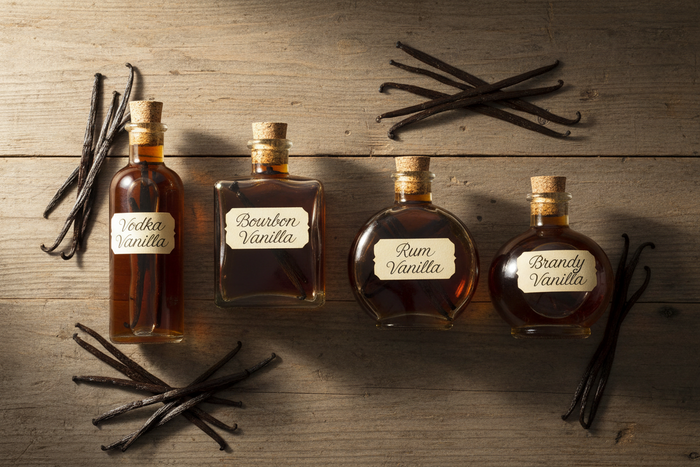
This is why vodka, rum, bourbon, brandy, etc. all work — not because of brand, but because of solvent strength.
What Happens Inside the Jar (Timeline)
| Time | What’s Really Happening |
|---|---|
| Week 1 | Alcohol penetrates bean cells, pulls surface aromatics |
| Weeks 2–4 | Vanillin + other compounds begin dissolving |
| Weeks 5–8 | Color darkens, flavor deepens, alcohol bite softens |
| Months 3–6 | Full extraction: phenolics + deep compounds release |
| 6+ months | Flavor rounds out, no more “raw bean” edge |
So yes — you can shake it every week.
But no — shaking doesn’t replace time.
Why Glycerin Extract Isn’t the Same
| Extract Type | Pulls Vanillin? | Preserves? | Flavor Strength |
|---|---|---|---|
| Alcohol Extract | ✅ | ✅ | Strongest |
| Glycerin “Extract” | ❌ (partial) | ✅ | Weaker, sweeter |
| Water Infusion | ❌ | ❌ | Spoils fast |
If it’s not alcohol-based, it is not legally vanilla extract.
That’s why “alcohol-free extract” is really just vanilla syrup.
The Part Nobody Talks About: The Beans Matter More Than the Alcohol
You can use perfect alcohol and still get weak extract if the beans are:
✖ Dry
✖ Old
✖ Split into fragments
✖ Low vanillin content
✖ Cheap Amazon leftovers
Contrast that with:
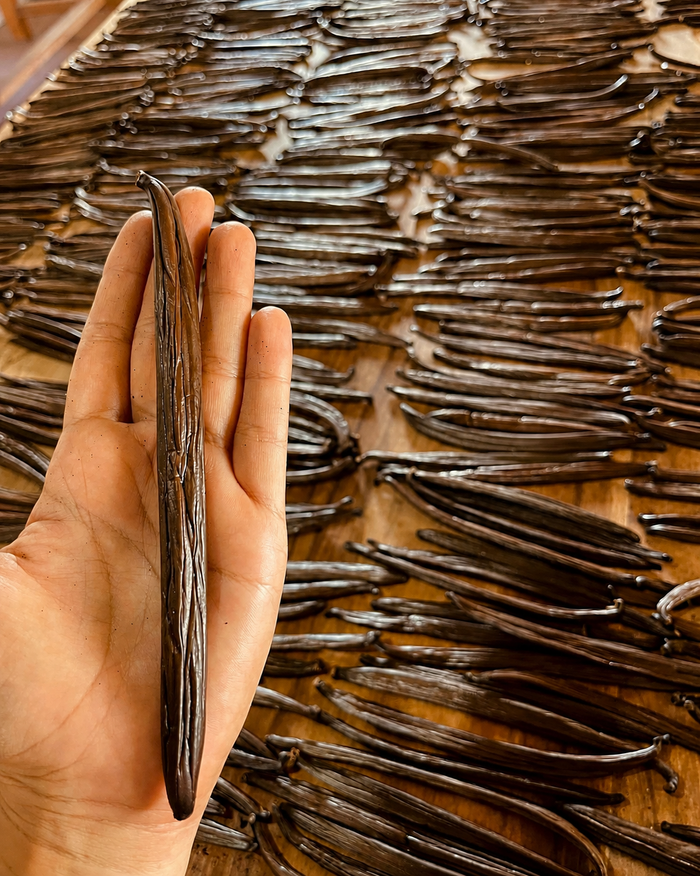
✅ Fresh
✅ Oily
✅ Grade A
✅ High-moisture
✅ High vanillin content
And suddenly any alcohol tastes 10× better.
That’s why extract made with Ecuadorian Tahitensis beats extract made with dried-out Madagascar leftovers every time — regardless of alcohol choice.
Quick Reference: Best Alcohols for Extraction
| Alcohol | Notes |
|---|---|
| Vodka | Clean, neutral, pure vanilla flavor |
| Rum | Warm, sweet, caramel-like finish |
| Bourbon | Bold, oak + dessert notes |
| Brandy | Soft, fruity, elegant |
| Everclear | Too strong — extracts harshly, flattens flavor |
DIY Extract Ratio (Always the Same)
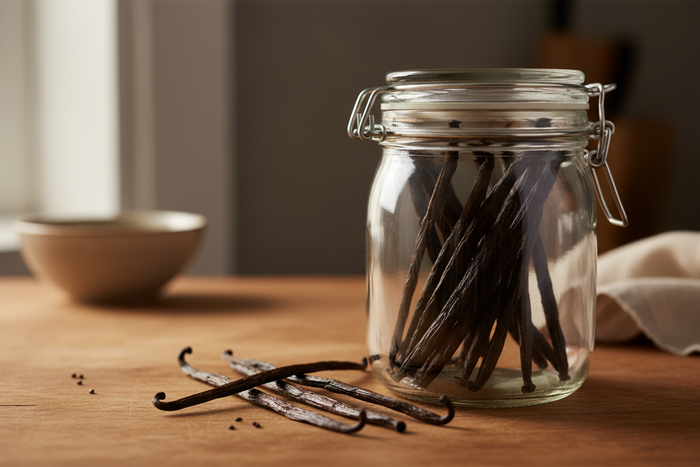
1 oz beans per 8 oz (1 cup) of 35–40% alcohol
Double the beans = double-fold extract.
No shortcuts. No cheats. No “instant extract.”
Want Pure Vanilla Flavor Without the Wait?
✔ Ready-made extract (small batch, double-fold)
✔ DIY kit with pre-measured beans + bottle
✔ Ground vanilla powder (instant use while extract matures)
FAQ
Can I use 100-proof alcohol?
Yes, but it extracts faster and tastes harsher. 80-proof is ideal.
Can I heat the mixture to speed it up?
You’ll destroy the top-notes. Slow is better.
Can I reuse the beans?
Once, but flavor will be weaker.
Does extract expire?
Not if it’s alcohol-based. It lasts indefinitely.
Can I do half water, half alcohol?
Yes — but you’re diluting both extraction and shelf life.
Final Takeaway
Alcohol doesn’t just “cover” vanilla flavor —
it unlocks it, preserves it, and carries it into every recipe.
But the better the beans, the better the extract.
And that part is not chemistry —
that’s farming, curing, and quality.