
How to Make Vanilla Extract at Home (Easy 2026 Guide)
Share
How to Make Vanilla Extract at Home (Easy 2026 Guide)
Making homemade vanilla extract is easier than you might think. With just two ingredients—real vanilla beans and alcohol—you can create a rich, aromatic vanilla extract for baking, desserts, coffee, and more.
But here's the secret: the quality of your homemade vanilla extract starts with the quality of your vanilla beans.
Whether you're making vanilla extract for the first time or looking to improve your recipe, this complete guide covers everything you need to know, including the best vanilla beans, alcohol choices, ideal ratios, and how long to let your extract mature.
What You Need to Make Homemade Vanilla Extract
You only need two ingredients:
Vanilla beans: Approximately 1 ounce (28 grams) of vanilla beans for every 8 fluid ounces of alcohol.
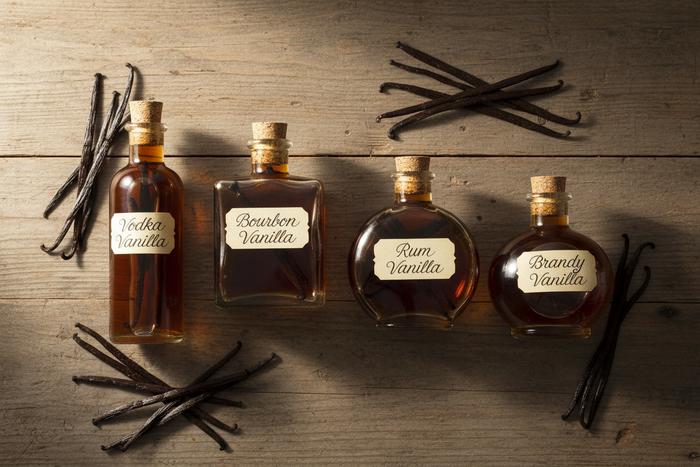
Alcohol: Vodka, bourbon, rum, or brandy containing at least 35% alcohol by volume (70 proof).
You'll also need a clean glass bottle or jar with a tight-fitting lid.
For an affordable, flavorful homemade extract, Grade B Tahitian Vanilla Beans from Dadora Vanilla are an excellent choice.
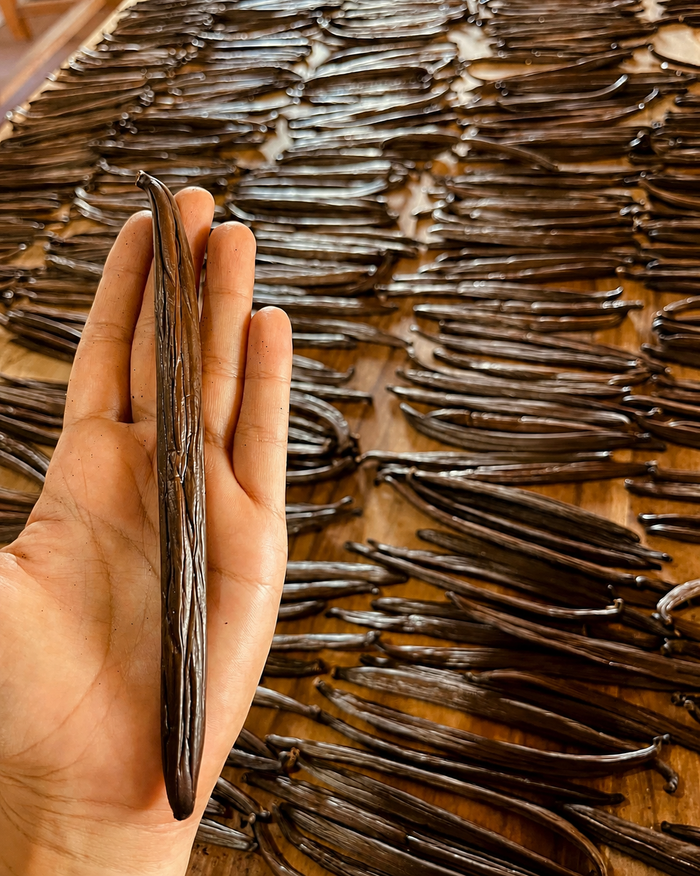
Grade B beans are particularly well suited for extract making because their lower moisture content and less flexible appearance don't prevent them from producing a flavorful infusion.
How to Make Vanilla Extract at Home: Step by Step
Step 1: Measure Your Vanilla Beans
For a concentrated homemade vanilla extract, use approximately 1 ounce of vanilla beans per 8 fluid ounces of alcohol.
Depending on the size and moisture content of your beans, this may be approximately 10 vanilla beans.
For consistent results, weighing your vanilla beans is more reliable than counting them.
Step 2: Split Your Vanilla Beans
Using a sharp knife, carefully split each vanilla bean lengthwise to expose the tiny seeds inside.
You can also cut the beans into smaller pieces to ensure they fit inside your bottle.
There's no need to remove the seeds. Both the seeds and the pod contain valuable aromatic compounds that contribute to your homemade extract.
Step 3: Add Your Alcohol
Place the prepared vanilla beans into a clean glass bottle or jar.
Pour 8 fluid ounces of your chosen alcohol over the beans, making sure they're completely submerged.
Seal the bottle tightly.
Step 4: Store in a Cool, Dark Place
Keep your vanilla extract away from direct sunlight and excessive heat.
A kitchen cabinet or pantry is an excellent storage location.
Gently shake the bottle occasionally to circulate the alcohol around the vanilla beans.
As the mixture matures, the alcohol gradually extracts the compounds responsible for vanilla's distinctive aroma and flavor.
Step 5: Let Your Vanilla Extract Mature
Patience is one of the most important ingredients in homemade vanilla extract.
Here's a general timeline:
8 weeks: Early flavor development, although the extract may still taste relatively light.
3–6 months: A richer, more developed vanilla aroma and flavor.
6–12 months: A useful target for a deeper, more rounded homemade vanilla extract.
Actual results vary depending on the beans, alcohol, storage conditions, and preparation method.
Our recommendation: Allow your homemade vanilla extract to mature for at least six months, with 6–12 months being an excellent target.
Ready to Make Your Own Homemade Vanilla Extract?
Start with real Tahitian vanilla beans grown on our family farm in Esmeraldas, Ecuador.
Our Grade B Vanilla Beans are an economical choice for homemade extract, delivering the distinctive floral and fruity characteristics of Ecuadorian Tahitian vanilla.
Shop Dadora Grade B Vanilla Beans
Want an easier way to get started?
Our DIY Vanilla Extract Kit includes 10 extract-grade vanilla beans and a reusable swing-top glass bottle. Simply add your favorite alcohol and allow the vanilla to develop.
Shop Our DIY Vanilla Extract Kit
What Is the Best Alcohol for Homemade Vanilla Extract?
One of the most common questions when making vanilla extract at home is whether vodka, bourbon, rum, or brandy produces the best results.
The answer depends on your flavor preferences.
Vodka: Best for a Classic Vanilla Flavor
Vodka has a relatively neutral flavor, allowing the natural aromatic characteristics of vanilla beans to stand out.
It's an excellent choice for everyday baking, cookies, cakes, and desserts.
Bourbon: Best for Warm, Rich Flavor
Bourbon adds notes of caramel, oak, and warmth that can complement vanilla beautifully.
It works particularly well in chocolate desserts, cookies, and rich baked goods.
Rum: Best for Sweet, Tropical Notes
Rum can introduce sweet, rounded flavors, particularly when using darker varieties.
It pairs well with tropical desserts, banana bread, and caramel-based recipes.
Brandy: Best for Fruity Complexity
Brandy contributes mellow, fruity characteristics that can complement vanilla's aromatic profile.
It can be an interesting choice for custards, specialty desserts, and holiday baking.
Which should you choose?
If you're making homemade vanilla extract for the first time, we recommend starting with vodka. Its neutral flavor allows you to experience the characteristics of the vanilla beans themselves.
For a deeper comparison, read our guide: 7 Alcohols Tested in Vanilla Extract (Including 1 You Should Never Use).
Grade A vs. Grade B Vanilla Beans: Which Is Better for Extract?
Not all vanilla beans are graded the same way, and understanding the difference can help you save money.
Grade A Vanilla Beans
Grade A beans are generally plumper, more flexible, and higher in moisture.
They're excellent for recipes where you want to split the bean and scrape the seeds directly into ice cream, custards, sauces, or baked goods.
Grade B Vanilla Beans
Grade B beans are typically drier and less flexible.
They're commonly used for vanilla extract because appearance and flexibility are less important when the beans will be submerged in alcohol for several months.
Both grades can make excellent vanilla extract.
However, Grade B vanilla beans are often the better value for homemade extraction.
Learn more in our detailed guide: Grade A vs. Grade B Vanilla Beans: Which Should You Use?.
Why Tahitian Vanilla Beans Make a Unique Homemade Extract
Vanilla isn't just one flavor.
Different vanilla species have distinct aromatic characteristics that influence the finished extract.
Madagascar vanilla, primarily Vanilla planifolia, is known for its traditional, rich vanilla flavor.
Tahitian vanilla, Vanilla tahitensis, offers a different experience.
At Dadora Vanilla, we grow Tahitian vanilla beans in the tropical coastal region of Esmeraldas, Ecuador.
Our vanilla is cultivated in greenhouses, carefully hand-pollinated, harvested, and sun-cured in the Ecuadorian Andes.
The result is a distinctive vanilla bean with aromatic characteristics that may include:
Delicate floral notes
Fruity, apricot-like aromas
A smooth, nutty finish
These characteristics make Tahitian vanilla an exciting option for homemade extract, especially for bakers who enjoy experimenting with different flavor profiles.
By sourcing directly from our family farm, we bring Ecuadorian Tahitian vanilla from our growing operation to kitchens across the United States.
How Much Vanilla Extract Can You Make With 1 Ounce of Beans?
Using a ratio of 1 ounce of vanilla beans to 8 fluid ounces of alcohol, you can prepare approximately 8 fluid ounces of homemade vanilla extract.
That's roughly sixteen tablespoons.
If you want to make a larger batch, you can scale the recipe while maintaining the same ratio.
| Vanilla Beans | Alcohol |
|---|---|
| 1 oz | 8 fl oz |
| 2 oz | 16 fl oz |
| 4 oz | 32 fl oz |
| 8 oz | 64 fl oz |
Keep in mind that vanilla beans absorb some liquid, so the final extract volume may be slightly lower.
Five Common Mistakes When Making Homemade Vanilla Extract
1. Not Using Enough Vanilla Beans
Adding just a few vanilla beans to a large bottle of alcohol can result in a weak infusion.
Use a consistent bean-to-alcohol ratio and measure your beans by weight whenever possible.
2. Using Alcohol That's Too Weak
Choose alcohol containing at least 35% alcohol by volume.
Standard 40% ABV vodka is a dependable option for homemade vanilla extract.
3. Not Giving Your Extract Enough Time
Vanilla extraction is a gradual process.
While your mixture may begin developing color and aroma within weeks, a more mature extract typically requires several months.
4. Leaving Vanilla Beans Above the Alcohol
Keep your vanilla beans fully submerged to minimize exposure to air.
Cut longer beans into smaller pieces if necessary.
5. Storing Vanilla Extract in Direct Sunlight
Avoid leaving your extract on a sunny windowsill.
A cool, dark cabinet is a better place to allow your homemade vanilla extract to develop.
Frequently Asked Questions About Homemade Vanilla Extract
Can you use dry or hard vanilla beans to make extract?
Yes. Drier, less flexible vanilla beans can still be suitable for making homemade extract, provided they've been stored properly and show no signs of mold or spoilage.
In fact, Grade B vanilla beans are commonly selected specifically for extraction.
How many vanilla beans do I need for 8 ounces of vodka?
Approximately 1 ounce of vanilla beans, which may be around 10 beans depending on their size and moisture content.
For the most accurate results, use a kitchen scale.
Is vodka or bourbon better for vanilla extract?
Vodka is ideal when you want the vanilla beans' natural flavor to stand out.
Bourbon can add complementary caramel, oak, and warm flavor notes.
Both can produce delicious homemade vanilla extract.
Can I use the same vanilla beans twice?
You can reuse previously extracted beans, but they will have already released much of their flavor.
A second extraction may be noticeably weaker.
For consistent results, use fresh vanilla beans when preparing a new batch.
How long does homemade vanilla extract last?
Properly prepared homemade vanilla extract made with suitable alcohol can maintain its quality for a long time when stored tightly sealed in a cool, dark place.
Its aroma and flavor may gradually change during extended storage.
Is homemade vanilla extract better than store-bought?
Homemade vanilla extract gives you control over the beans, alcohol, concentration, and maturation time.
Commercial vanilla extract offers convenience and consistency, while homemade extract allows you to experiment with different vanilla varieties and flavor profiles.
Make Your Own Vanilla Extract With Dadora Vanilla
Making vanilla extract at home is a simple and rewarding way to experience the flavor of real vanilla beans.
Whether you're preparing extract for everyday baking, experimenting with different alcohols, or creating homemade gifts, starting with quality vanilla beans makes a difference.
At Dadora Vanilla, our family grows Tahitian vanilla beans in Esmeraldas, Ecuador, and sun-cures them in the Andes.
Our farm-direct approach connects the people who grow and prepare the vanilla with the customers who enjoy it.
For homemade extract, our Grade B vanilla beans offer excellent value.
For cooking and baking applications where flexibility and appearance matter, explore our gourmet Grade A beans.
Ready to start your own homemade vanilla extract?
Shop Our DIY Vanilla Extract Kit
Explore Gourmet Grade A Vanilla Beans
Discover the difference of farm-direct Ecuadorian Tahitian vanilla with Dadora Vanilla.