
Vanilla Conversion Chart: Paste, Extract, Powder & Vanilla Beans
Share
If you've ever been mid‑recipe wondering whether vanilla paste, extract, or powder are interchangeable — you're not alone. They are related, but they are not equal by volume or flavor strength. This guide breaks it down clearly, with exact substitution ratios, when each form works best, and how to avoid the most common mistakes.
Quick vanilla substitution:
1 teaspoon vanilla extract = 1 teaspoon vanilla paste = ½ teaspoon vanilla powder.
Vanilla Conversion Chart
| If your recipe calls for... | Substitute with... |
|---|---|
| 1 tsp vanilla extract | 1 tsp vanilla paste |
| 1 tsp vanilla extract | ½ tsp vanilla powder |
| 1 vanilla bean | 1 tbsp vanilla paste |
| 1 vanilla bean | 2–3 tsp vanilla extract |
| 1 tbsp vanilla paste | 1 tbsp vanilla extract |
Pressed for time? Save this chart—it covers the most common vanilla substitutions used by home bakers and professional pastry chefs alike.
Quick Answer: Are They Interchangeable?
Yes — but only if you adjust the amount.
Vanilla paste, extract, and powder all come from vanilla beans, but they differ in:
concentration, alcohol or moisture content or how quickly flavor releases in baking.
Using the wrong ratio can lead to flat flavor or overpowering bitterness.
Exact Vanilla Substitution Chart
Use this chart whenever a recipe calls for 1 teaspoon of vanilla extract:
| If recipe calls for… | You can substitute with… |
|---|---|
| 1 tsp vanilla extract | 1 tsp vanilla paste |
| 1 tsp vanilla extract | ½ tsp vanilla powder |
| 1 tsp vanilla extract | 1 scraped vanilla bean (≈ 1 inch of pod) |
Important:
Vanilla powder is more concentrated than extract
Vanilla paste matches extract volume‑for‑volume in most recipes
Vanilla Extract: The Baseline
Vanilla extract is the reference point most recipes use.
Best for:
- Cakes
- Cookies
- Custards
- Ice cream
- Everyday baking
Flavor profile:
- Smooth
- Familiar
-Alcohol‑carried aroma
When it shines:
Recipes with moisture and heat — alcohol helps extract and disperse flavor evenly.
Vanilla Paste: When You Want Visible Flavor
Vanilla paste is made from vanilla extract plus concentrated vanilla bean seeds.
Best for:
- Pastry cream
- Crème brûlée
- Frostings
- Cheesecake
-No‑bake desserts
Why bakers love it:
- Same strength as extract
- Adds real vanilla specks
- Thicker texture = easier to control
Substitution rule:
1 tsp paste = 1 tsp extract
No math required.
Vanilla Powder: The Most Concentrated Form
Vanilla powder is made by grinding whole, dried vanilla beans — no alcohol, no sugar. Our pure Tahitian vanilla powder is ground from single-origin Ecuador beans with nothing added.
Best for:
- Dry mixes
- Coffee & lattes
- Protein shakes
- Shortbread cookies
- Chocolate desserts
Why it's different:
- Zero liquid
- Extremely aromatic
- Flavor doesn't bake off
Substitution rule:
½ tsp powder = 1 tsp extract
Using too much powder is the #1 vanilla mistake we see.
Common Vanilla Substitution Mistakes
❌ Using powder 1:1 with extract
Result: bitter, overpowering flavor
❌ Adding powder directly to liquids without whisking
Result: clumping
❌ Assuming paste is weaker than extract
It's not — they're equivalent when well‑made.
Which Vanilla Should You Choose?
Choose extract if:
- You want classic vanilla flavor
- You're baking with heat
Choose paste if:
- You want visual impact
- You're making custards or creams
Choose powder if:
- You want maximum aroma
- You're working with dry or low‑liquid recipes
- Many professional kitchens keep all three.
Can I substitute vanilla powder for vanilla paste?
Yes. Use approximately ½ teaspoon of pure vanilla powder for every 1 teaspoon of vanilla paste. Because powder is more concentrated and contains no liquid, it's best suited for dry recipes or beverages where you want a stronger vanilla aroma.
Final Takeaway
Vanilla isn't one‑size‑fits‑all. Using the right form at the right ratio makes the difference between a dessert that tastes fine — and one that tastes unforgettable. If you ever wonder why bakery desserts taste more aromatic than homemade ones, this is often the reason.
🛒 Shop by Vanilla Format
- Pure Vanilla Powder – Ground from whole Tahitian beans. No fillers, no sugar. Perfect for dry recipes, coffee, and chocolate desserts.
- Make Your Own Extract – Our Extract Kit includes everything you need. Just add alcohol.
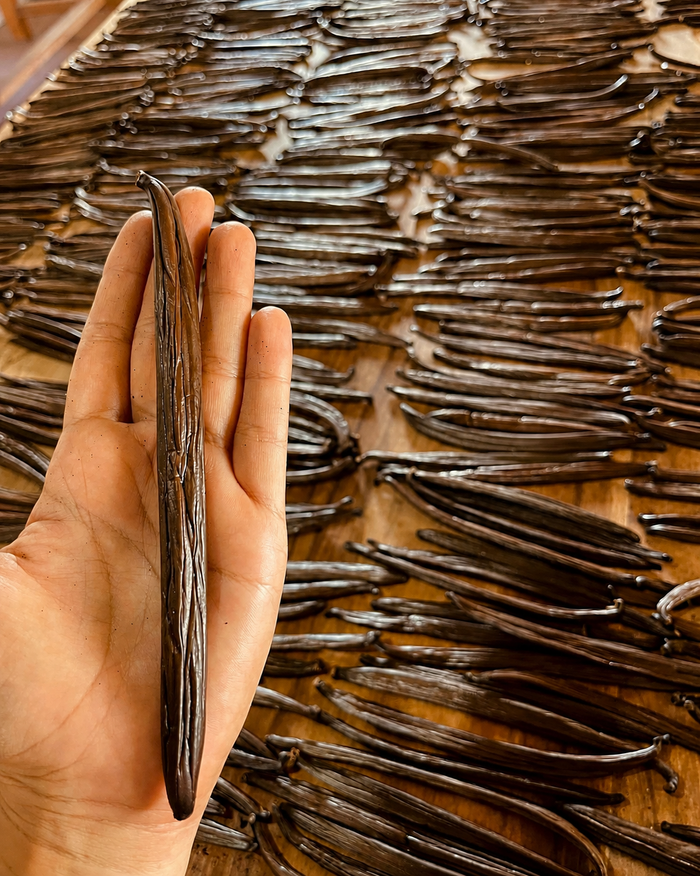
- Whole Vanilla Beans – Grade A Tahitian beans, farm-direct from Ecuador. Use in place of paste or extract.
These substitution ratios reflect common culinary standards and our experience working extensively with Tahitian vanilla products.